


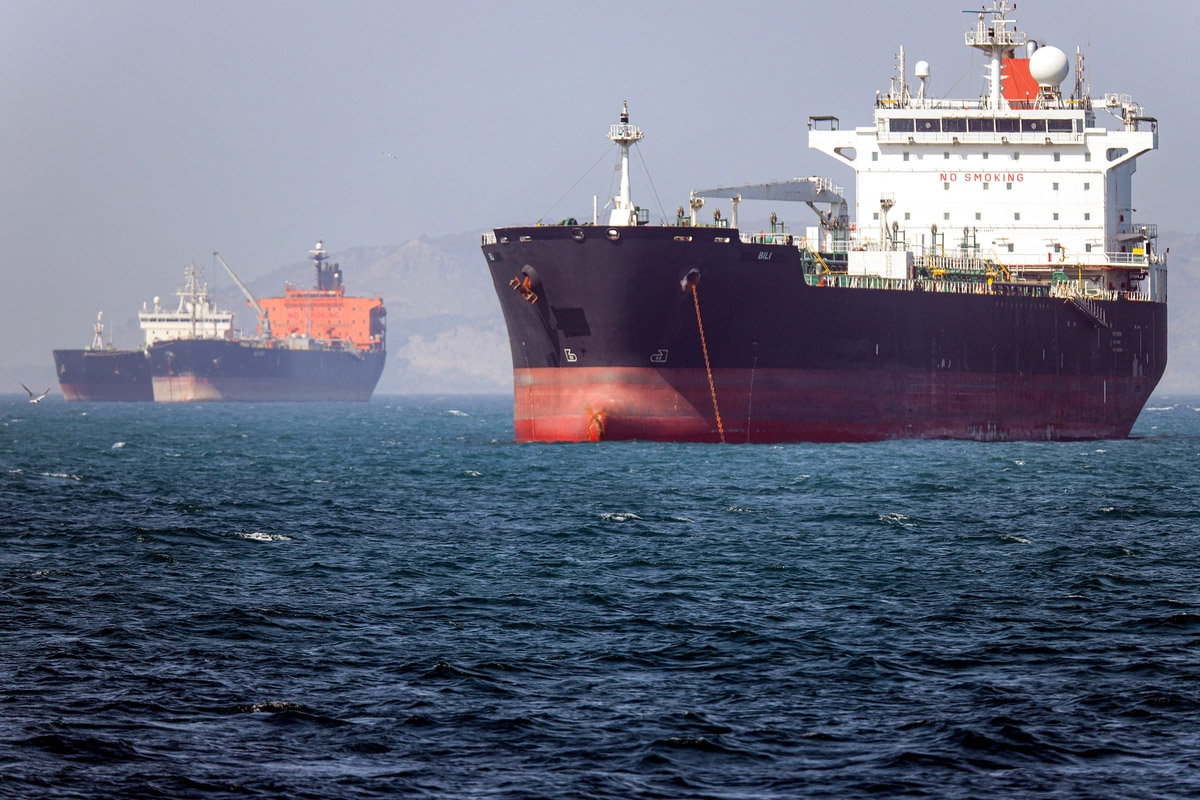
Project Freedom was presented as a U.S.-led operation to escort commercial ships through the Strait of Hormuz. There was just one problem, though: only one day after launching the operation, President Trump announced it was being paused.
According to the president, the decision came after requests from Pakistan and other countries, combined with what he described as “great progress” toward a possible agreement with Iran. Trump also made it clear that the blockade itself would remain in place.
The entire purpose of the operation was to move stranded ships through the waterway. Now the U.S. is saying ships still cannot move freely because the blockade remains in place. It sounds less like a strategic move and more like another Trump rebrand.
And the timing couldn’t be worse. Tensions in the Gulf are continuing to escalate. The U.S. military claims it destroyed Iranian boats, cruise missiles, and drones operating near the Strait, while the UAE reported additional missile and drone attacks.
Does the president expect us to believe pausing efforts to escort ships through the Strait is a good thing amid reports that 87 countries have ships or crews stuck in the region, affecting an estimated 23,000 sailors? At a time when energy markets are tightening, airlines are warning about jet fuel pressures, and oil companies are signaling concerns about reserves.
Then again, does the pause even matter? Project Freedom was never expected to work in the first place.
And in the middle of all this, the administration is insisting negotiations are moving in the right direction, which makes the latest personnel decision especially interesting. Trump’s new Iran negotiator, Nick Stewart, has previously denounced negotiations with Iran and is closely aligned with pro-Israel lobbying interests.
At this point, it just joins the growing list of decisions that don’t appear to be moving this war any closer to ending.
The post Phantom Operation appeared first on Redacted.
Continue reading...