


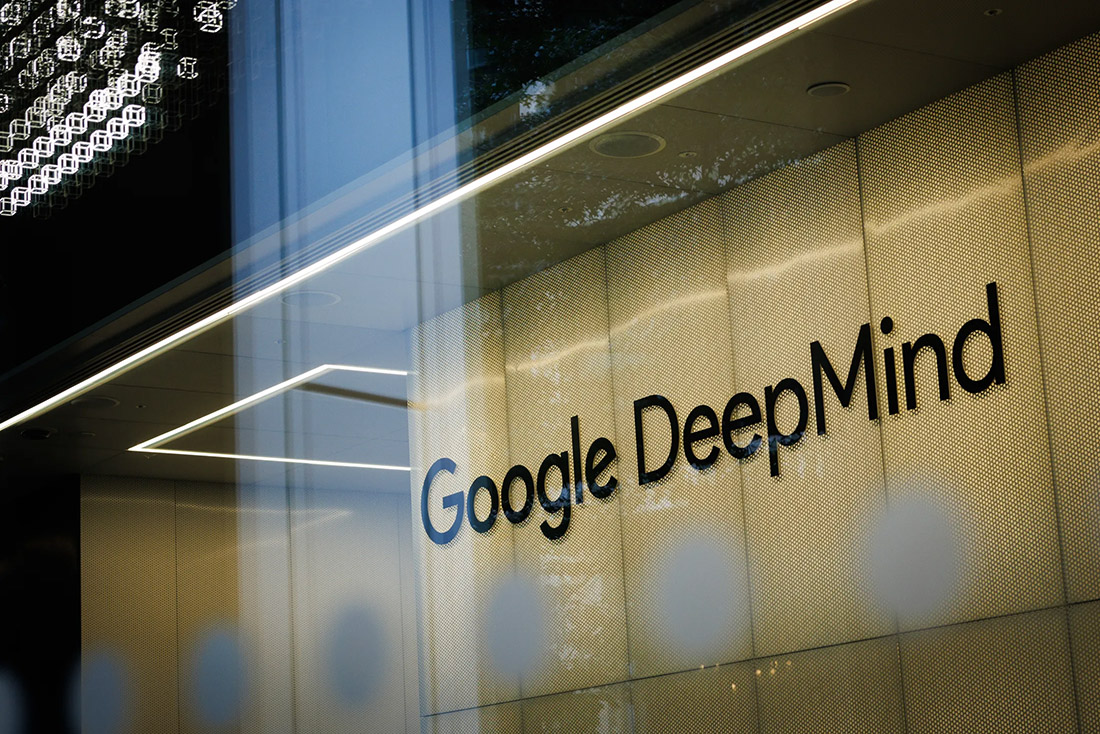
The Pentagon recently joined forces with Google’s London-based AI research laboratory, DeepMind, raising fears the partnership could accelerate mass surveillance, something both sides are all too familiar with.
Google was started on a grant from the CIA, so it’s always been a government-controlled platform, but now it will be even more so.
It sounds like a technical agreement, and Google is a tech company, so what’s the problem? Well, the deal will allow the Pentagon to connect directly to Google’s AI through API integration, essentially embedding those tools into defense operations and dramatically expanding access to large-scale surveillance capabilities.
Alphabet Inc., Google’s parent company, addressed the concerns: “We remain committed to the private and public sector consensus that AI should not be used for domestic mass surveillance or autonomous weaponry without appropriate human oversight.”
That sounds good in theory. However, the issue is how these systems could actually be used once they leave Google’s control, especially in classified environments where oversight is limited.
The people building these AI systems within Google don’t even trust them: “As people working on AI, we know that these systems can centralize power and that they do make mistakes.”
On top of this, the Pentagon rolled out GenAI.mil in December, a U.S. Department of Defense platform powered by Google Gemini. While announcing the partnership, Secretary of Defense Pete Hegseth proclaimed, “The future of American warfare is here, and it’s spelled AI.”
The Defense Department has attempted to draw in other players, but not everyone is taking the bait. Earlier this year, Anthropic, an AI safety and research company, refused to allow its models to be used by the Pentagon, warning of risks tied to “mass domestic surveillance” and “fully autonomous weapons.” OpenAI has stepped in instead… for $200 million, all while releasing the same “committed to not allowing domestic surveillance” statement.
With Google now secured by the war machine, many employees are outraged and ashamed, and have even voted to unionize. But that’s a bit surprising. Are they not aware that this is the same company that provided the Israeli military with increased access to its AI tools from the early days of the war in Gaza?
The post Pentagon AI Deal Raises Internal Alarm appeared first on Redacted.
Continue reading...