


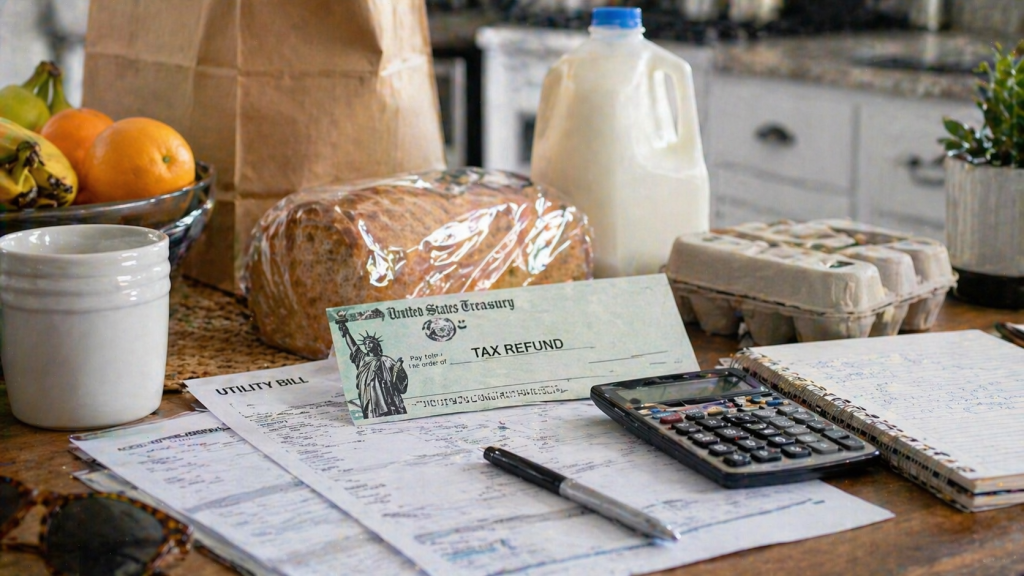
For many households, tax season no longer feels like a bonus. Instead, refunds have become a critical financial lifeline used to cover everyday expenses like rent, groceries, and debt.
New data shows that a growing number of Americans are relying on their refunds to stay afloat. Rather than treating the money as extra income, households are using it to fill gaps left by rising costs and tight budgets.
Refunds Are Becoming Essential
A significant share of taxpayers now depend on their refunds to manage essential expenses. Nearly half of filers say they are counting on that money, reflecting a steady increase in reliance over the past few years.
For many families, the refund is not just helpful, it is necessary. It often covers large or irregular expenses that monthly income cannot absorb, such as moving costs, car purchases, or overdue bills.
This shift highlights a broader financial reality. Many households are operating with little margin, making lump-sum payments like tax refunds an important part of their financial planning.
Where the Money Is Going
The way Americans are spending their refunds reveals where financial pressure is most intense.
Everyday expenses top the list. About one-third of taxpayers plan to use their refunds for essentials like rent, groceries, and utility bills. This trend is especially common among lower-income households and families with children.
Debt repayment is another major priority. Many individuals are using refunds to pay down high-interest credit cards or other loans. This strategy can reduce long-term interest costs and improve monthly cash flow.
Savings is also a key focus. A growing number of filers are setting aside part of their refunds to build emergency funds or financial cushions. Even small contributions can provide stability during uncertain times.
Rising Costs Are Driving Behavior
The increased reliance on tax refunds is closely tied to rising living costs. Housing, food, and energy expenses have all increased, leaving less room in household budgets.
When regular income is not enough to cover these costs, refunds become a fallback. They help bridge the gap between earnings and expenses, allowing households to avoid falling behind on payments.
This trend also reflects broader economic pressures. Inflation and higher interest rates have made it more difficult for families to manage day-to-day finances.
Larger Refunds, Mixed Impact
Some taxpayers are receiving larger refunds this year, partly due to changes in tax laws and expanded deductions. While that may sound positive, it does not necessarily improve financial health.
A larger refund can mean that too much tax was withheld during the year. In effect, taxpayers gave the government an interest-free loan and are only now getting that money back.
For some, however, this forced savings approach works. Receiving a lump sum can make it easier to tackle big expenses or achieve financial goals that would be difficult to manage through monthly budgeting alone.
Balancing Immediate Needs and Long-Term Goals
Financial experts recommend using refunds strategically. The best approach often depends on individual circumstances.
For those facing urgent expenses or high-interest debt, addressing those needs first can provide immediate relief. Paying down debt can also create more flexibility in future budgets.
For households in a more stable position, building savings is a key priority. An emergency fund can help protect against unexpected expenses and reduce reliance on credit.
A balanced strategy can also be effective. Splitting a refund between debt repayment, savings, and essential spending allows households to address multiple financial needs at once.
What This Means Going Forward
The way Americans are using their tax refunds offers insight into the broader financial landscape. It shows that many households are still under pressure, even as the economy continues to evolve.
Refunds are increasingly functioning as a financial safety net rather than discretionary income. This shift suggests that underlying challenges, such as rising costs and limited wage growth, remain significant.
As economic conditions change, the role of tax refunds may continue to evolve. For now, they remain an important tool for millions of Americans trying to manage their finances and plan for the future.
The post How Americans Are Using Tax Refunds in 2026 appeared first on .
Continue reading...