


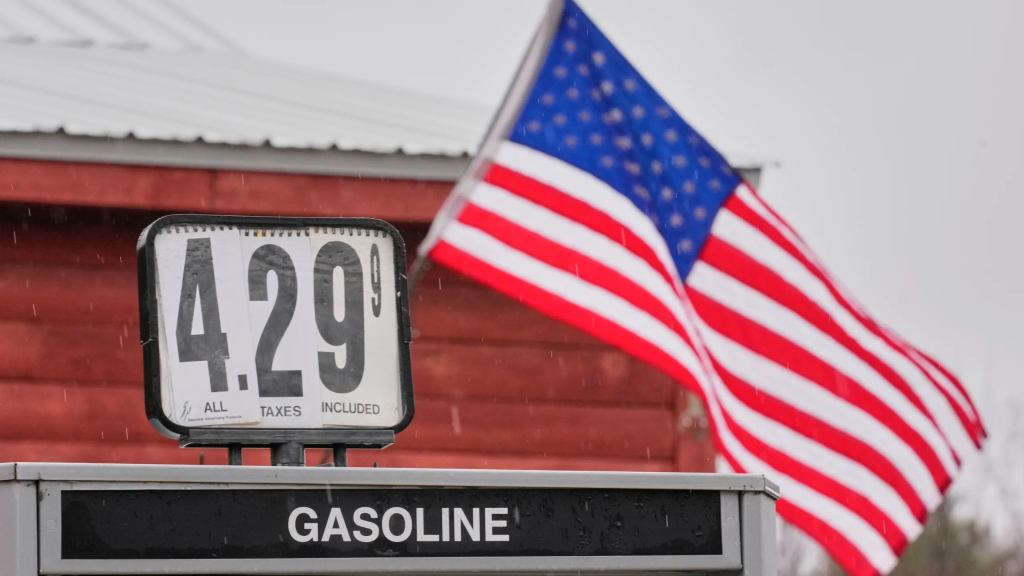
Rising gas prices are starting to take a noticeable toll on fast food sales across the United States, as consumers adjust their spending in response to higher fuel costs.
The recent surge in gas prices, driven by escalating tensions involving Iran, is squeezing household budgets and forcing many consumers to cut back on discretionary purchases like dining out.
Gas prices surge sharply in weeks
Since late February, gas prices have jumped significantly, creating one of the fastest increases in decades.
The national average rose from around $2.98 per gallon to more than $3.90 by late March, marking a roughly 32% increase.
This sudden spike has had an immediate impact on everyday spending behavior.
Higher fuel costs hit consumer budgets
As gas prices rise, consumers are left with less disposable income to spend elsewhere.
For many households, fuel is a necessary expense that cannot be easily reduced, meaning other categories, like food and dining, often take the hit.
This shift is particularly noticeable among lower-income consumers who spend a larger share of their income on gas.
Fast food sales decline throughout March
Restaurant industry data shows that sales have declined consistently each week throughout March.
This trend suggests that rising fuel costs are already affecting consumer behavior in a measurable way.
Even small changes in spending patterns can significantly impact the fast food industry due to its reliance on frequent, low-cost purchases.
War-driven energy shock behind the trend
The spike in gas prices is largely tied to disruptions in global oil supply caused by the ongoing conflict.
The closure of key shipping routes has reduced the availability of oil, pushing prices higher worldwide.
As a result, consumers are feeling the effects not just at the pump, but across multiple areas of their daily spending.
Restaurant costs are rising too
It’s not just consumers feeling the pressure, restaurants are also facing higher operating costs.
Energy, transportation, and commodity prices have all increased, making it more expensive to run restaurant operations.
These rising costs create additional challenges for businesses already dealing with shifting demand.
Demand weakens among price-sensitive consumers
The impact is most pronounced among consumers who are more sensitive to price changes.
When budgets tighten, dining out is often one of the first expenses to be reduced.
This is especially true for fast food, which relies heavily on high-volume, frequent transactions.
Major fast food stocks under pressure
The slowdown in sales is also being reflected in stock performance across the industry.
Companies like McDonald’s, Starbucks, Wendy’s, and Chipotle have all seen declines in their share prices over the past month.
These movements indicate investor concern about how sustained cost pressures could affect future earnings.
One exception stands out
While most fast food companies are struggling, Restaurant Brands has managed to outperform.
The company’s recent gains have been linked to successful marketing efforts that have helped maintain customer interest.
This suggests that strong branding and promotions can still make a difference, even in challenging economic conditions.
Supply chain disruptions add complexity
In addition to higher fuel costs, supply chain issues are adding another layer of difficulty for restaurants.
Disruptions in shipping and logistics can lead to delays, shortages, and increased expenses.
These factors further complicate efforts to maintain stable operations and pricing.
What this means for the broader economy
The gas prices fast food sales trend highlights how quickly energy shocks can ripple through the economy.
Changes in fuel costs do not just affect transportation, they influence consumer behavior, business operations, and market performance.
This interconnected impact makes energy prices a key factor in overall economic stability.
Outlook depends on energy prices
Looking ahead, the trajectory of fast food sales will largely depend on where gas prices go next.
If fuel costs stabilize or decline, consumer spending could recover relatively quickly.
However, if prices remain elevated, the pressure on both consumers and businesses is likely to continue, extending the current slowdown.
The post Gas Price Spike Is Dragging Down Fast Food Sales Across the US appeared first on .
Continue reading...