


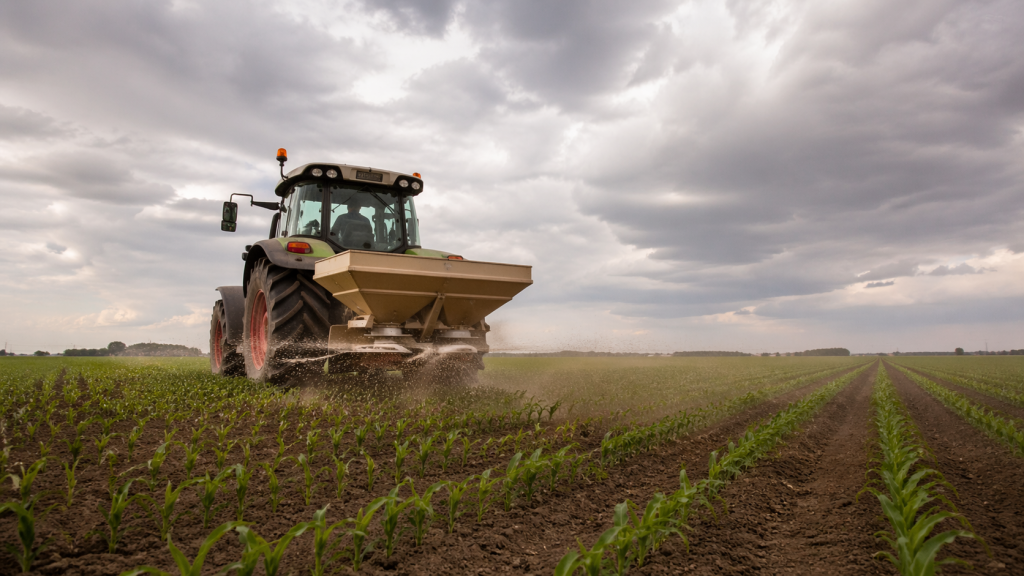
The Iran conflict is no longer just an energy crisis. It is quickly turning into a global food issue as fertilizer supplies tighten, raising concerns about higher grocery prices and reduced crop yields.
The disruption stems from the closure of the Strait of Hormuz, a critical route for transporting key agricultural inputs. With shipments blocked for weeks, farmers around the world are beginning to feel the impact.
Why Fertilizer Supplies Are Being Hit
Fertilizer is heavily dependent on global trade, and a significant portion moves through the Middle East. The ongoing conflict has effectively cut off about one-third of the world’s seaborne fertilizer supply.
This sudden disruption has already pushed fertilizer prices up by nearly 30% in the United States, according to market data. The longer the shipping route remains restricted, the more severe the shortage could become.
For farmers, this creates immediate challenges. Fertilizer is not optional for many crops. It is a core input that directly affects yields and production levels.
A Risk of Lower Crop Yields
Without adequate fertilizer, crop output can decline significantly. Experts warn that the northern hemisphere could face a “lost season” if supplies are not restored in time for planting cycles.
Corn is particularly vulnerable. Fertilizer accounts for more than half of the cost of producing corn, making it highly sensitive to price increases and shortages.
If farmers cannot secure enough inputs, they may reduce planting or accept lower yields. Either scenario would tighten food supply and push prices higher.
Food Prices Could Rise in Stages
Unlike gasoline, which reacts quickly to supply disruptions, food prices tend to increase more gradually. It can take months for higher production costs to work their way through the system.
Economists estimate that the fertilizer shortage could add 2 to 4 percentage points to food inflation over the next year. This would also contribute to overall inflation, though to a smaller extent.
Consumers may not feel the full impact immediately, but grocery bills are likely to rise steadily if the situation persists.
A Broader Inflation Effect
Higher food prices could ripple through the economy. As households spend more on essentials, they may cut back on discretionary purchases, slowing economic growth.
At the same time, rising costs could complicate decisions for the Federal Reserve. Persistent inflation from food and energy could limit the Fed’s ability to lower interest rates.
This creates a challenging environment where inflation remains elevated even as economic activity slows.
Global Supply Chains Under Pressure
The fertilizer shortage highlights how interconnected global supply chains are. A disruption in one region can quickly affect industries worldwide.
There is also concern that the situation could worsen if the conflict expands to other shipping routes, such as the Red Sea. Additional disruptions would further limit the movement of goods and increase costs.
Markets may not fully reflect these risks yet. Some analysts believe investors are underestimating the long-term impact on agricultural production and food prices.
What It Means for Consumers
For households, the implications are straightforward but significant. Higher fertilizer costs translate into higher food prices over time.
Staple items like grains, vegetables, and meat could become more expensive as production costs rise. This would add to existing financial pressures from energy and housing costs.
The impact may be gradual, but it is likely to be persistent if supply constraints continue.
A Developing Economic Pressure Point
The fertilizer shortage is emerging as a key secondary effect of the Iran conflict. While oil prices grabbed early attention, food inflation may become a longer-lasting issue.
If the disruption continues, it could reshape agricultural markets and consumer spending patterns for months or even years.
For now, the situation remains fluid. But one thing is clear: the effects of the conflict are spreading beyond energy and into everyday life in ways that are harder to reverse.
The post Fertilizer Shortage May Drive Food Prices Higher appeared first on .
Continue reading...